Data Warehouse - Providing easy access to high quality data
30%
Faster generation of business reports
1
Single source of truth for all reporting
89%
Pipeline uptime and data availability
- Client
- A leading UK organisation providing deposit protection and dispute resolution services, supporting tens of thousands of property professionals and millions of tenants and homebuyers.
- Industry
- Public sector
- Company Size
- 51 - 200
- Project Duration
- 7 months (Jan 2023 - Aug 2023)
- Azure
- MySQL
- Docker
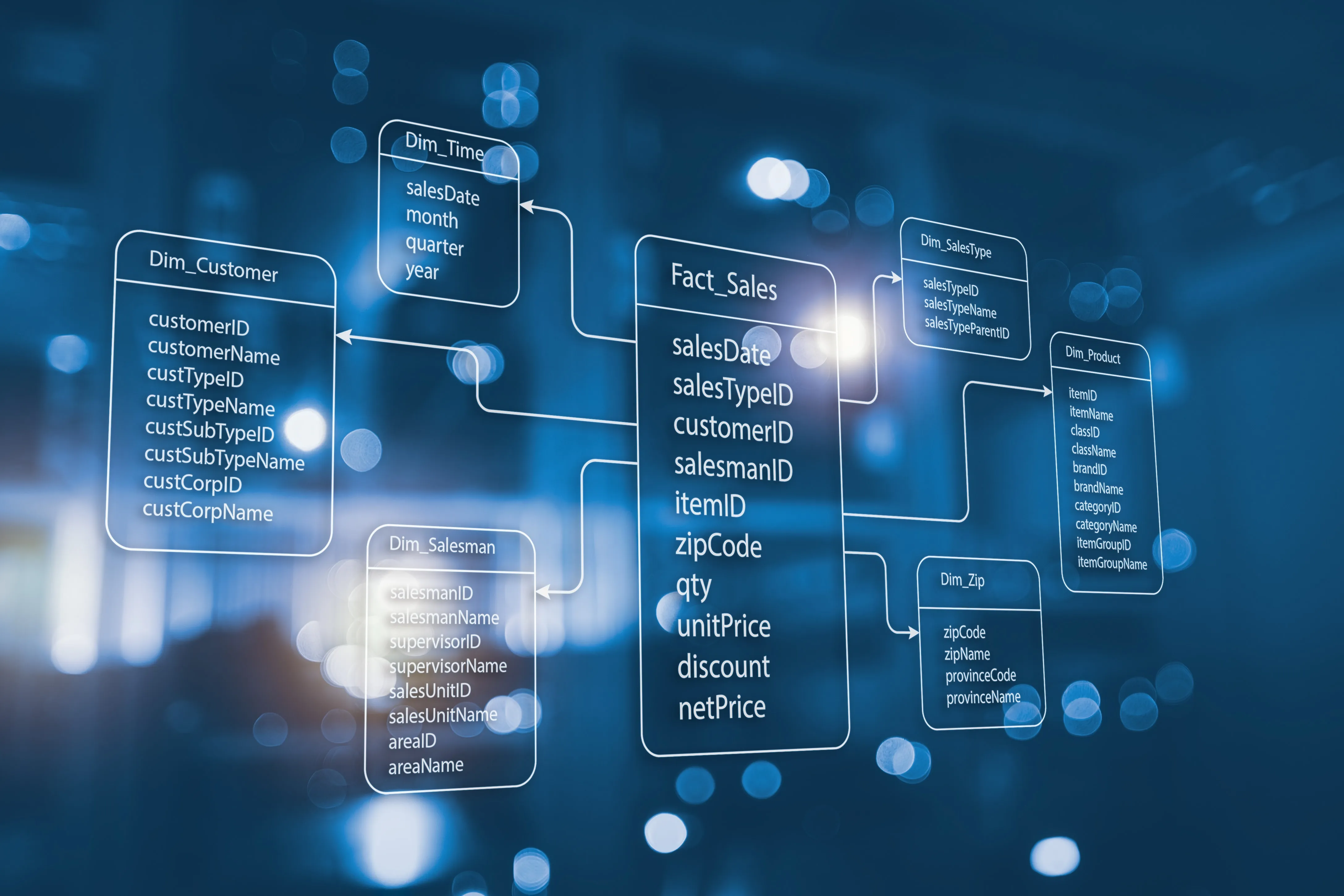
Built a modern low cost data warehouse, integrating multiple data sources via Azure Functions and Docker based pipelines. The solution centralised reporting, applied consistent business logic, and improved data accuracy, enabling faster, evidence based decisions.
I led the development of a modern, cloud based data warehouse for a public sector client, transforming how their organisation accessed, analysed, and trusted data. This was a critical step in modernising their data infrastructure, moving away from siloed systems towards a scalable platform capable of supporting future growth and innovation.
The project’s goal was simple but impactful: give every team, from analysts to leadership, a fast, reliable, and secure access to clean, well structured data. By creating a single version of the truth and embedding rigorous business logic and data validation at every stage, we ensured all downstream reporting and analytics were accurate, up to date, and trusted. This eliminated conflicting numbers, reduced confusion, and improved collaboration across departments.
Working closely with stakeholders, I designed and implemented an architecture on Azure, leveraging Docker for consistent deployments, MySQL as the transactional data store, and Azure Functions to orchestrate ingestion, transformations, and real time workflow triggers. The result was a dramatic improvement in reporting speed and decision making confidence, enabling the organisation to respond to issues faster, plan more effectively, and unlock new analytical capabilities that were previously impossible with their legacy systems.